Reishi: Your Ancient Ally for Serene Sleep and Robust Stress Management
In our fast-paced modern world, the elusive combination of restful sleep and effective stress management often feels like a utopian ideal. We constantly seek natural, sustainable solutions to combat the relentless march of daily pressures and reclaim our inner calm. Among the pantheon of natural remedies, one ancient superfood stands out: the Reishi mushroom. Revered for centuries in Eastern medicine as the “Mushroom of Immortality,” Reishi (Ganoderma lucidum) is now gaining widespread recognition in the West for its profound adaptogenic properties, particularly its ability to foster deeper sleep and enhance our resilience to stress.
This potent fungi isn’t just another passing wellness trend; it’s a time-tested botanical powerhouse, backed by both traditional wisdom and emerging scientific inquiry. If you’re tired of tossing and turning, or constantly feeling overwhelmed, understanding how to harness the unique benefits of Reishi mushrooms could be a game-changer for your well-being.
Understanding Reishi: The “Mushroom of Immortality”
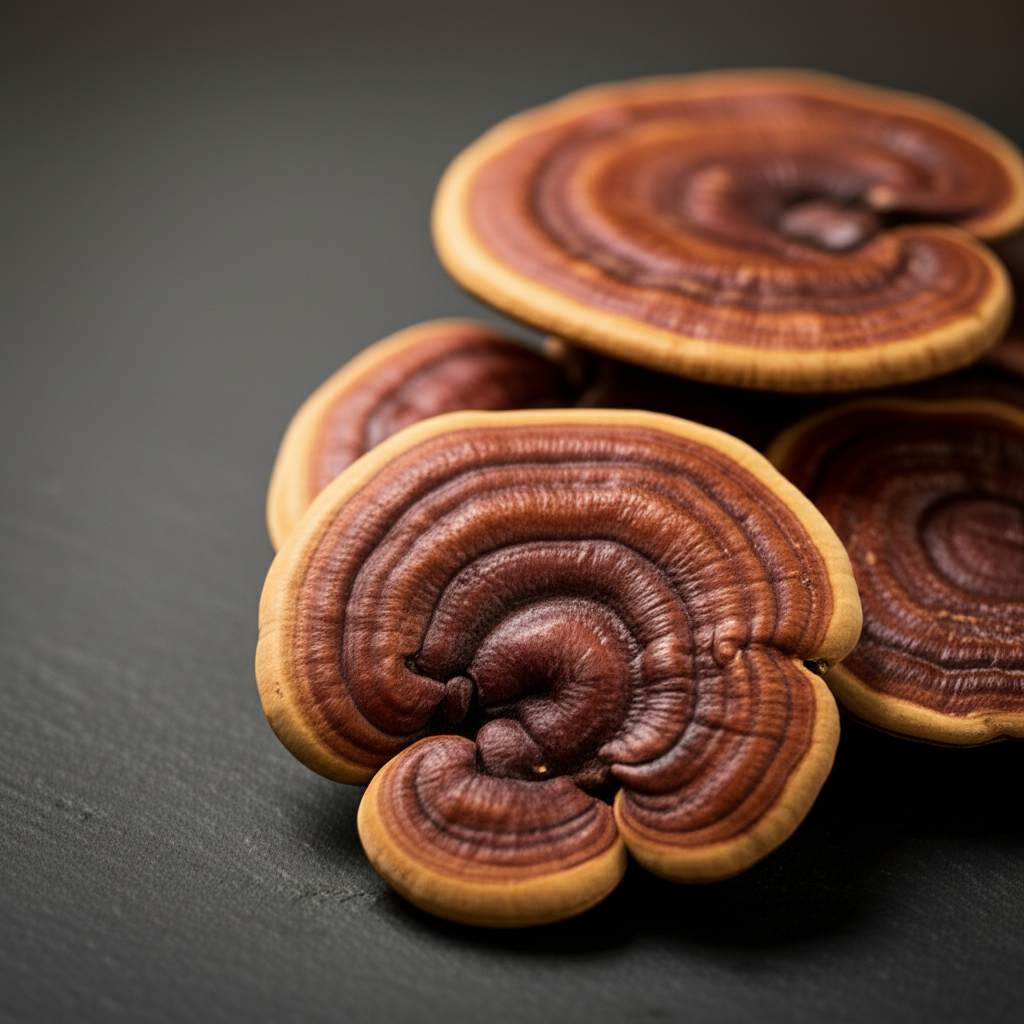
Reishi, or Lingzhi as it’s known in China, boasts a storied history spanning over 2,000 years, primarily within Traditional Chinese Medicine (TCM). It was once reserved exclusively for emperors and royalty, considered a symbol of good health, spiritual potency, and longevity. Unlike culinary mushrooms, Reishi has a tough, woody texture and a bitter taste, making it unsuitable for direct consumption as food. Instead, its medicinal properties are typically extracted and consumed in various forms.
What truly sets Reishi apart is its classification as an adaptogen. Adaptogens are unique natural substances that help the body adapt to physical, chemical, and biological stress by normalizing physiological processes. They don’t target specific organs but rather support the body’s overall ability to maintain homeostasis, or balance, even in the face of adversity. This adaptogenic action is primarily attributed to a rich array of bioactive compounds found within Reishi, including:
- Triterpenes: These compounds give Reishi its characteristic bitter taste and are believed to be responsible for its calming and anti-inflammatory effects. They also play a role in supporting liver function and modulating the immune system.
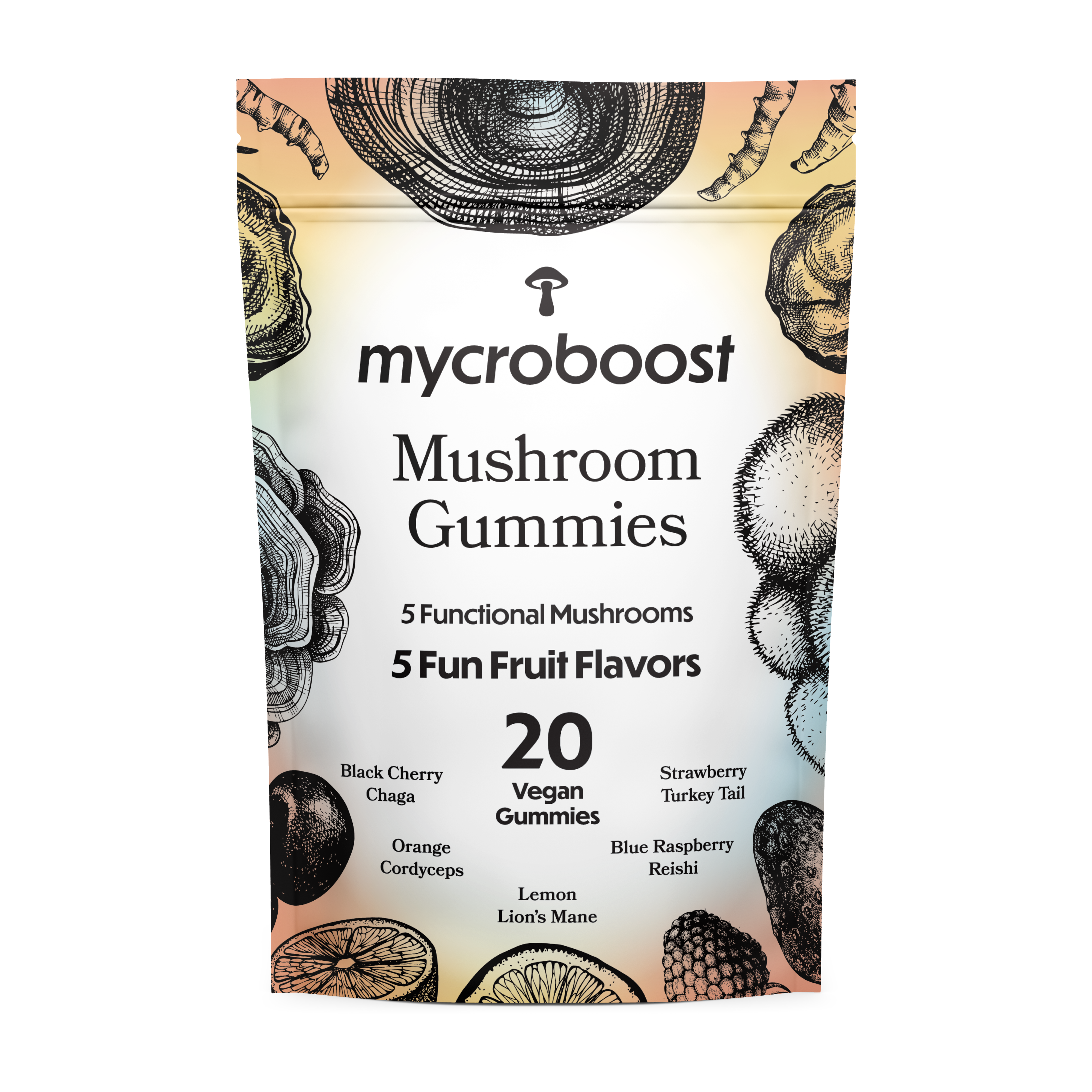
- Polysaccharides (beta-glucans): Known for their immune-modulating properties, these complex carbohydrates help balance the immune system, enhancing its ability to respond appropriately to threats while preventing overactivity.
- Peptidoglycans: Another class of compounds contributing to Reishi’s immune-supportive actions.
Together, these components work synergistically, offering a holistic approach to health that directly impacts our ability to sleep soundly and manage stress effectively.
Reishi for Restful Sleep: Unlocking Deeper Zzz’s
The connection between stress and sleep is undeniable. When our minds are racing and our bodies are on high alert, quality sleep often becomes an elusive dream. This is where Reishi shines, offering a multifaceted approach to improving sleep hygiene and promoting profound rest.
How Reishi Promotes Sleep
Reishi doesn’t act as a sedative in the conventional sense, like a pharmaceutical sleep aid that forces drowsiness. Instead, its mechanism of action is more subtle and holistic, working to create an optimal physiological environment for sleep.
- Calming the Nervous System: One of the primary ways Reishi aids sleep is by modulating the central nervous system. Research suggests that certain compounds in Reishi, particularly triterpenes, may influence neurotransmitters like GABA (gamma-aminobutyric acid). GABA is a key inhibitory neurotransmitter that helps to calm brain activity, reducing nervous tension and preparing the body for sleep. By enhancing GABAergic activity, Reishi helps to quiet an overactive mind, making it easier to drift off.
- Reducing Sleep Latency: Many individuals struggle with the time it takes to fall asleep. By promoting a state of relaxation and reducing anxiety, Reishi can help shorten sleep latency – the amount of time it takes from going to bed to actually falling asleep. This means less tossing and turning and more efficient transition into sleep.
- Improving Sleep Quality: Beyond just falling asleep, the quality of sleep is paramount. Studies indicate that Reishi may increase non-REM sleep (deep sleep) and reduce wakefulness during the night. Deep sleep is crucial for physical restoration, cellular repair, and memory consolidation. Waking up feeling more refreshed and rejuvenated is a hallmark of improved sleep quality attributed to Reishi.
- Indirect Effects Through Stress Reduction: Perhaps the most significant way Reishi supports sleep is by addressing its underlying antagonist: stress. By reducing anxiety and helping the body manage stress more effectively throughout the day, Reishi inherently improves the conditions for a good night’s rest. When the sympathetic nervous system (fight-or-flight) is less active, the parasympathetic nervous system (rest-and-digest) can take over, paving the way for natural, restorative sleep.
Scientific Insights
While more large-scale human trials are always beneficial, preliminary studies and traditional use strongly support Reishi’s efficacy for sleep. For instance, some animal studies have shown Reishi extract to significantly increase total sleep time and non-REM sleep duration. Human studies, though often smaller, have reported improvements in sleep quality, reduced sleep latency, and an overall sense of relaxation that contributes to better sleep patterns. These findings underscore Reishi’s potential as a natural, non-habit-forming aid for those seeking reishi for sleep improvements.
Reishi for Stress Management: Finding Your Calm
In a world filled with deadlines, digital distractions, and daily demands, feeling perpetually stressed has become the norm for many. Chronic stress not only takes a toll on mental health but also manifests physically, impacting everything from immunity to cardiovascular health. As an adaptogen, Reishi offers powerful natural stress relief by helping the body restore balance and build resilience.
The Adaptogen Advantage for Stress
At its core, an adaptogen like Reishi assists your body in “adapting” to stress. When you encounter a stressor – whether it’s a demanding work project, an emotional challenge, or even physical exertion – your body initiates a complex physiological response, primarily involving the hypothalamic-pituitary-adrenal (HPA) axis. This axis releases stress hormones like cortisol, which are essential in acute situations but detrimental when chronically elevated.
Reishi works by:
- Modulating the HPA Axis: Instead of directly lowering or raising cortisol, Reishi helps to normalize the HPA axis response. This means it can help your body respond more appropriately to stressors – not overreacting, but not under-reacting either. This moderation prevents the prolonged elevation of stress hormones that can lead to burnout and fatigue.
- Balancing Cortisol Levels: By supporting the HPA axis, Reishi indirectly contributes to more balanced cortisol levels. When cortisol is kept in check, the body experiences less inflammation, improved immune function, and better energy regulation. This allows you to navigate stressful situations with greater composure and less physiological impact.
- Enhancing Resilience: Regular consumption of Reishi helps the body build a stronger defense against the negative effects of stress over time. It’s like training your body to be more robust, making it less susceptible to the draining effects of daily pressures. This enhanced resilience is a cornerstone of adaptogenic mushrooms and their benefits.
Specific Stress-Reducing Effects
The adaptogenic influence of Reishi translates into several tangible benefits for stress management:
- Decreased Anxiety Symptoms: By calming the nervous system and modulating stress responses, Reishi can significantly reduce feelings of anxiety and nervousness. Users often report a greater sense of peace and a reduction in generalized worry.
- Improved Mood and Emotional Balance: Chronic stress can lead to mood swings, irritability, and even feelings of despair. By supporting overall physiological balance, Reishi contributes to a more stable and uplifted mood, helping to combat the emotional toll of stress.
- Enhanced Mental Clarity and Focus: When the mind is less burdened by stress and anxiety, it’s free to operate more efficiently. Many individuals find that with reduced stress, their concentration improves, and they experience greater mental clarity.
- Non-Sedating Relaxation: Unlike sedatives, Reishi doesn’t induce drowsiness during the day when taken for stress. Instead, it promotes a state of “calm alertness,” allowing you to remain productive while feeling more centered and less overwhelmed. This makes it an ideal mushroom for relaxation without impairing cognitive function.
Regular use of Reishi can help you react more calmly to challenging situations, reduce the feeling of being constantly overwhelmed, and foster an overall sense of well-being, moving you towards truly effective natural stress relief.
How to Incorporate Reishi into Your Daily Routine
Embracing Reishi for its multifaceted benefits is relatively simple, given the variety of forms available. The key is consistency and choosing high-quality products.
Forms of Reishi
- Powders (Extracts): This is one of the most popular and versatile forms. High-quality Reishi powders are typically dual-extracted (using both water and alcohol) from the mushroom’s fruiting body to ensure a full spectrum of bioactive compounds. They can be added to smoothies, coffee, tea, or even savory dishes.
- Capsules/Tablets: For those who prefer convenience and precise dosing, Reishi capsules offer an easy way to incorporate the mushroom into a daily routine.
- Tinctures: Liquid extracts made by soaking Reishi in alcohol and water, tinctures offer fast absorption and can be taken directly under the tongue or added to beverages.
- Teas: You can brew Reishi slices or powdered extract into a tea. While often bitter, combining it with other herbs, honey, or citrus can make it more palatable.
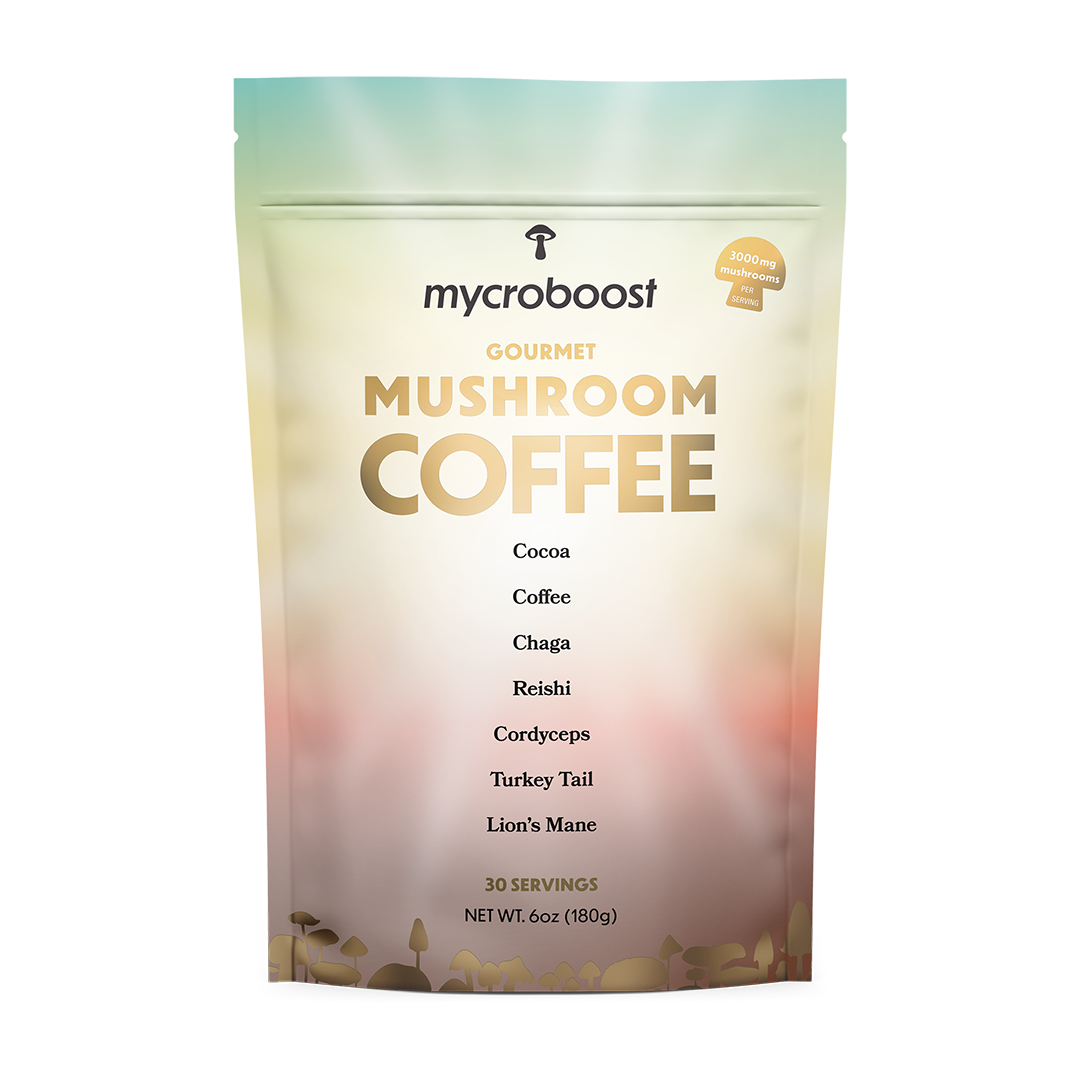
- Coffee Blends: Many brands now offer mushroom-infused coffee blends, providing a convenient way to get your daily dose of Reishi alongside your morning caffeine.
Dosage and Timing
Dosage can vary significantly depending on the form, concentration, and individual needs. It’s always best to start with a lower dose and gradually increase it, monitoring your body’s response.
- General Guideline: For powdered extracts, a common starting dose is around 0.5 to 1 gram per day, which can be increased to 1-3 grams or more over time, depending on desired effects and tolerance. Follow the manufacturer’s recommendations.
- For Sleep: If your primary goal is reishi for sleep, it’s often best taken in the evening, about 1-2 hours before bedtime. This allows the adaptogenic compounds to gently calm your system as you prepare for rest.
- For Stress Management: For ongoing natural stress relief and mood support, Reishi can be taken daily, either in the morning or split into smaller doses throughout the day. Consistency is more important than precise timing when managing general stress.
Tips for Optimal Use
- Choose Quality: Look for products derived from the fruiting body of the Reishi mushroom, not just mycelium, as the fruiting body contains a higher concentration of beneficial compounds. Opt for dual-extracted products, and check for third-party testing to ensure purity and potency.
- Be Consistent: Like many natural remedies, Reishi’s benefits accumulate over time. Incorporate it into your daily routine for several weeks or months to truly experience its adaptogenic effects.
- Combine with Healthy Habits: Reishi is a powerful ally, but it works best in conjunction with other healthy lifestyle choices. Prioritize good sleep hygiene (consistent bedtime, dark room), engage in regular physical activity, practice mindfulness, and maintain a balanced diet.
- Make an Elixir: For a soothing evening ritual, try whisking Reishi powder into warm plant-based milk with a touch of honey or maple syrup and a pinch of cinnamon or cardamom. This creates a comforting elixir that primes your body for rest.
Important Considerations and Potential Side Effects
While Reishi is generally considered safe and well-tolerated, there are a few important considerations and potential side effects to be aware of.
Who Should Be Cautious
- Pregnant or Breastfeeding Women: Due to limited research on these populations, it’s generally advised to avoid Reishi or consult a healthcare professional before use.
- Individuals on Blood Thinners (Anticoagulants): Reishi may have anti-platelet effects, which could theoretically increase the risk of bleeding. If you are on blood-thinning medication, consult your doctor.
- Those with Autoimmune Conditions: While Reishi can modulate the immune system, individuals with autoimmune diseases should exercise caution and consult their physician, as its effects on specific conditions are not fully understood.
- Pre-Surgery: Discontinue Reishi at least two weeks before any scheduled surgery due to its potential effects on blood clotting.
Potential Side Effects
Most people experience no side effects from Reishi. However, some mild and uncommon side effects can include:
- Digestive Upset: Nausea, stomach upset, or diarrhea, especially when starting with high doses.
- Dry Mouth, Throat, or Nose: Some individuals report these symptoms.
- Skin Rash: Very rarely, an allergic skin rash may occur.
If you experience any adverse reactions, discontinue use and consult a healthcare professional.
Consult Your Doctor
Always discuss any new supplement, including Reishi, with your doctor or a qualified healthcare provider, especially if you have pre-existing health conditions or are taking any medications. They can