Fruiting Body vs. Mycelium: Why Your Mushroom Supplement Might Be Mostly Grain
In recent years, medicinal mushrooms have surged in popularity, moving from niche health food stores to mainstream wellness cabinets. Praised for their potential to support immunity, boost cognitive function, enhance energy, and act as powerful adaptogens, mushrooms like Reishi, Chaga, Lion’s Mane, and Cordyceps are now common ingredients in powders, capsules, and even coffees.
However, as with any booming industry, a lack of transparency and a significant disparity in product quality have emerged. Many consumers, eager to harness the ancient wisdom and modern science behind these fungi, might unknowingly be purchasing supplements that offer far less than promised. The critical distinction often lies in understanding two fundamental terms: “fruiting body” and “mycelium.” The difference between these two components of a mushroom’s life cycle isn’t just botanical; it’s central to the efficacy and value of your mushroom supplement, and it’s why many products on the market might be mostly grain, not potent mushroom compounds.
The Promise and Popularity of Medicinal Mushrooms
Humans have used mushrooms for their health benefits for thousands of years, particularly in traditional Chinese medicine and other Eastern healing practices. Modern scientific research is now beginning to validate many of these traditional uses, identifying key bioactive compounds responsible for their therapeutic effects.
- Immune Support: Many mushrooms, especially Reishi and Turkey Tail, are rich in beta-glucans, complex polysaccharides known to modulate the immune system.
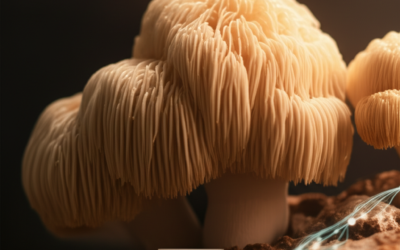
- Cognitive Enhancement: Lion’s Mane is celebrated for its potential to support brain health, stimulate nerve growth factors (NGF), and improve focus and memory.
- Adaptogenic Properties: Mushrooms like Cordyceps and Reishi are often classified as adaptogens, helping the body manage stress and maintain balance.
- Antioxidant Power: Chaga, for instance, is packed with antioxidants, which combat oxidative stress and cellular damage.
With such an impressive resume, it’s no wonder consumers are flocking to mushroom supplements. But to truly reap these benefits, it’s crucial to select a product that delivers the intended compounds in meaningful concentrations.
Understanding the Mushroom’s Anatomy: Mycelium and Fruiting Body
To grasp the heart of the supplement quality debate, we must first understand the basic biology of a fungus.
The Mycelium: The Hidden Network
Imagine a mushroom as an apple tree. The mycelium would be the vast network of roots and underground branches, while the apple itself would be the fruiting body. Mycelium is the vegetative part of a fungus, an intricate web of thread-like structures called hyphae, typically growing beneath the soil, within wood, or in other substrates. Its primary role is to absorb nutrients from its environment, breaking down organic matter to fuel the fungus’s growth and eventual reproduction.
In nature, mycelium is essential. It’s the primary engine of the fungal organism, responsible for nutrient acquisition and communication within its ecosystem. While mycelium does contain some bioactive compounds, its primary function isn’t to be a concentrated source of the highly sought-after medicinal compounds.
The Fruiting Body: The Mushroom We Know
The fruiting body is the visible, reproductive structure we commonly recognize as a “mushroom.” This is the part that sprouts above ground or from a log, designed to produce and disperse spores, ensuring the continuation of the species. Think of the cap, gills, and stem of a button mushroom or a Reishi conk.
From a medicinal perspective, the fruiting body is generally considered the powerhouse. It’s where the mushroom concentrates its most potent bioactive compounds – the very compounds that traditional healers have utilized for millennia and that modern science is actively researching.
The Supplement Divide: Mycelium-on-Grain vs. Fruiting Body Extracts
The critical difference in supplement quality stems directly from whether the product is derived primarily from the mycelium or the fruiting body, and crucially, how the mycelium is cultivated for commercial use.
The Problem with Mycelium-on-Grain Products
Many mushroom supplements on the market are made from mycelium grown on grain. This production method involves inoculating a sterilized grain substrate (such as rice, oats, millet, or sorghum) with mushroom mycelium. The mycelium grows throughout and consumes the grain, forming a solid mass. Once fully colonized, this entire biomass – mycelium and the remaining grain substrate – is harvested, dried, and ground into a powder.
Here’s why this is problematic for consumers seeking potent mushroom benefits:
- High Starch Content: When mycelium is grown on grain, the final product is a blend of mycelium and the grain substrate. Even if the mycelium “consumes” some of the grain, a significant portion of the grain remains un-metabolized. This means a substantial percentage of the supplement by weight is simply starch from the grain, not actual mushroom compounds. Some analyses have shown these products to contain upwards of 60-70% starch.
- Lower Concentration of Key Bioactives: While mycelium does contain some beneficial compounds, the fruiting body typically has a much higher concentration of the specific medicinal compounds like beta-glucans, triterpenes, and ergosterols that are responsible for the purported health benefits. The mycelium’s chemical profile can also differ significantly from that of the fruiting body.
- Misleading Labeling: Products made from mycelium-on-grain are often marketed using terms like “full spectrum” or simply “mushroom extract” without explicitly stating that it’s mycelium grown on grain. They might also boast a high “polysaccharide” content. While beta-glucans are polysaccharides, so is starch. A high polysaccharide count from a mycelium-on-grain product is often dominated by grain starch, not the therapeutically active mushroom polysaccharides.
- Economic Incentive: Growing mycelium on grain is a faster, cheaper, and less labor-intensive process compared to cultivating actual fruiting bodies. This allows manufacturers to produce large quantities quickly, leading to higher profit margins, but often at the expense of product potency.
Example: Imagine buying a Lion’s Mane supplement advertised for cognitive support. If it’s made from mycelium-on-grain, a significant portion of what you’re consuming is brown rice or oats, with lower levels of the specific hericenones and erinacines (compounds associated with nerve growth factor stimulation) that are more abundant in the fruiting body. You’re paying a premium for what is essentially glorified grain.
The Gold Standard: Fruiting Body Extracts
In contrast, fruiting body extracts are derived solely from the actual mushroom structure, the part that appears above ground. These mushrooms are typically cultivated on their natural substrate (e.g., wood logs for Reishi, substrate blocks for Lion’s Mane) until they fully mature and form a robust fruiting body. Once harvested, these fruiting bodies undergo specific extraction processes to concentrate their beneficial compounds.
Key advantages of fruiting body extracts:
- Higher Potency of Bioactives: Fruiting bodies are the primary repository for the most well-researched and potent compounds. For instance, beta-glucan content is significantly higher in fruiting bodies compared to mycelium-on-grain products. These are the compounds that scientific studies and traditional uses consistently point to for medicinal efficacy.
- No Grain Filler: When you purchase a fruiting body extract, you are getting concentrated mushroom. There is no residual grain to dilute the product or contribute to a misleading “polysaccharide” count.
- Traditional Use Alignment: For millennia, it was the fruiting body of mushrooms that traditional healers used. Modern research on compounds like those in Reishi, Chaga, and Turkey Tail often focuses on extracts from their fruiting bodies.
- Specific Extraction Methods: High-quality fruiting body supplements often specify their extraction method (e.g., hot water extraction for beta-glucans, dual extraction with alcohol for triterpenes). This ensures that the desired compounds are bioavailable and concentrated.
Example: A Reishi mushroom fruiting body extract will deliver concentrated triterpenes (associated with adaptogenic properties and liver support) and beta-glucans, free from the starches found in mycelium-on-grain alternatives. This aligns with thousands of years of traditional use and scientific investigation into Reishi’s benefits.
The Critical Role of Beta-Glucans and the “Polysaccharide” Trap
One of the most touted benefits of medicinal mushrooms comes from their polysaccharides, particularly beta-glucans. These are complex carbohydrates known for their profound immune-modulating effects. However, the term “polysaccharide” can be incredibly misleading on a supplement label.
- Beta-Glucans are Polysaccharides: Yes, beta-glucans are a type of polysaccharide.
- Starch is also a Polysaccharide: The grain substrate (rice, oats, etc.) used to grow mycelium is primarily starch, which is also a polysaccharide.
Therefore, a label that simply states “high in polysaccharides” on a mycelium-on-grain product can be highly deceptive. It might reflect a high percentage of grain starch, which offers minimal medicinal value, rather than the therapeutically active beta-glucans.
How to Differentiate:
A high-quality mushroom supplement will specify the percentage of beta-glucans, not just total polysaccharides. Reputable brands will provide third-party lab testing to verify the actual beta-glucan content and confirm the absence of starch. Look for percentages like “30% Beta-Glucans” or higher. This level of specificity is a strong indicator that the product is a true fruiting body extract and not diluted with grain.
Spotting Quality: What to Look For on a Label
Navigating the mushroom supplement aisle can be confusing, but armed with knowledge, you can make informed choices. Here’s a checklist for identifying high-quality mushroom supplements:
-
Source Material Explicitly Stated:
- Look for: “100% Fruiting Body Extract,” “Made from Fruiting Bodies,” or “Dual Extract of Fruiting Body.”
- Avoid: “Myceliated biomass,” “Mycelium on grain,” “Full spectrum” (unless further clarified as 100% fruiting body), or simply “Mushroom powder” without specifying the part used.
-
Standardization of Active Compounds:
- Look for: A guaranteed percentage of beta-glucans (e.g., “≥30% Beta-Glucans”). This is the gold standard for immune-supporting mushrooms. For Lion’s Mane, you might also look for specific compounds like hericenones or erinacines if quantified.
- Avoid: Generic “Polysaccharides” without a breakdown of beta-glucans, or no standardization at all.
-
Extraction Method:
- Look for: “Hot water extract” (essential for making beta-glucans bioavailable) or “Dual extract” (hot water + alcohol, for mushrooms like Reishi and Chaga that have both water-soluble beta-glucans and alcohol-soluble triterpenes).
- Avoid: “Raw powder” or just “dried mushroom powder” if you’re seeking concentrated benefits, as many beneficial compounds need extraction to be bioavailable.
-
Ingredients List Clarity:
- Look for: A simple list, with the mushroom extract as the primary (and often only) ingredient.
- Avoid: Any mention of grains like “brown rice,” “oats,” “millet,” or “myceliated grain” in the ingredient list. If these are present, you’re likely buying a mycelium-on-grain product.
-
Third-Party Testing and Transparency:
- Look for: Brands that openly share third-party lab results (Certificates of Analysis) for heavy metals, pesticides, and, critically, beta-glucan content and starch levels. Transparency is a hallmark of a reputable company.
-
Origin and Cultivation:
- While not always a deal-breaker, understanding where and how the mushrooms are grown can indicate quality. Sustainable and organic cultivation practices are a plus.
The Economic Incentive and Industry Transparency
The prevalence of mycelium-on-grain products isn’t due to malice but largely to economic realities. It’s simply much cheaper and faster to grow mycelium on grain than to cultivate and extract mature fruiting bodies. This allows brands to offer products at a lower price point, which can be attractive to consumers unaware of the quality difference.
However, consumers are increasingly demanding transparency and efficacy. The market is slowly shifting as more brands choose to educate their customers and provide genuinely potent fruiting body extracts. This shift is driven by informed consumers who understand the nuances and are willing to invest in products that truly deliver the promised health benefits.
Conclusion
The world of medicinal mushrooms offers incredible potential for enhancing health and well-being. However, realizing that potential hinges entirely on the quality of the supplement you choose. The distinction between a fruiting body extract and a mycelium-on-grain product is not a minor detail; it’s the difference between a potent, concentrated source of beneficial compounds and a product that might be mostly grain starch.
By understanding the mushroom’s anatomy, recognizing the pitfalls of mycelium-on-grain production, and knowing what to look for on a label, you empower yourself to make informed choices. Prioritize supplements that explicitly state “100% fruiting body extract,” specify the percentage of active beta-glucans, and demonstrate transparency through third-party testing. Investing a little time in research will ensure that your mushroom supplement truly supports your health goals, providing the full spectrum of nature’s wisdom, not just a dose of grain.