Top 5 Functional Mushroom Trends to Watch in 2026
The world of functional fungi has rapidly evolved from a niche health trend to a burgeoning wellness phenomenon. As we approach 2026, the landscape of mushroom supplements and functional foods is poised for even more transformative shifts. Consumers are increasingly sophisticated, demanding not just efficacy but also personalization, sustainability, and scientific validation. The “shroom boom” is showing no signs of slowing down; instead, it’s maturing, innovating, and integrating deeper into our daily lives.
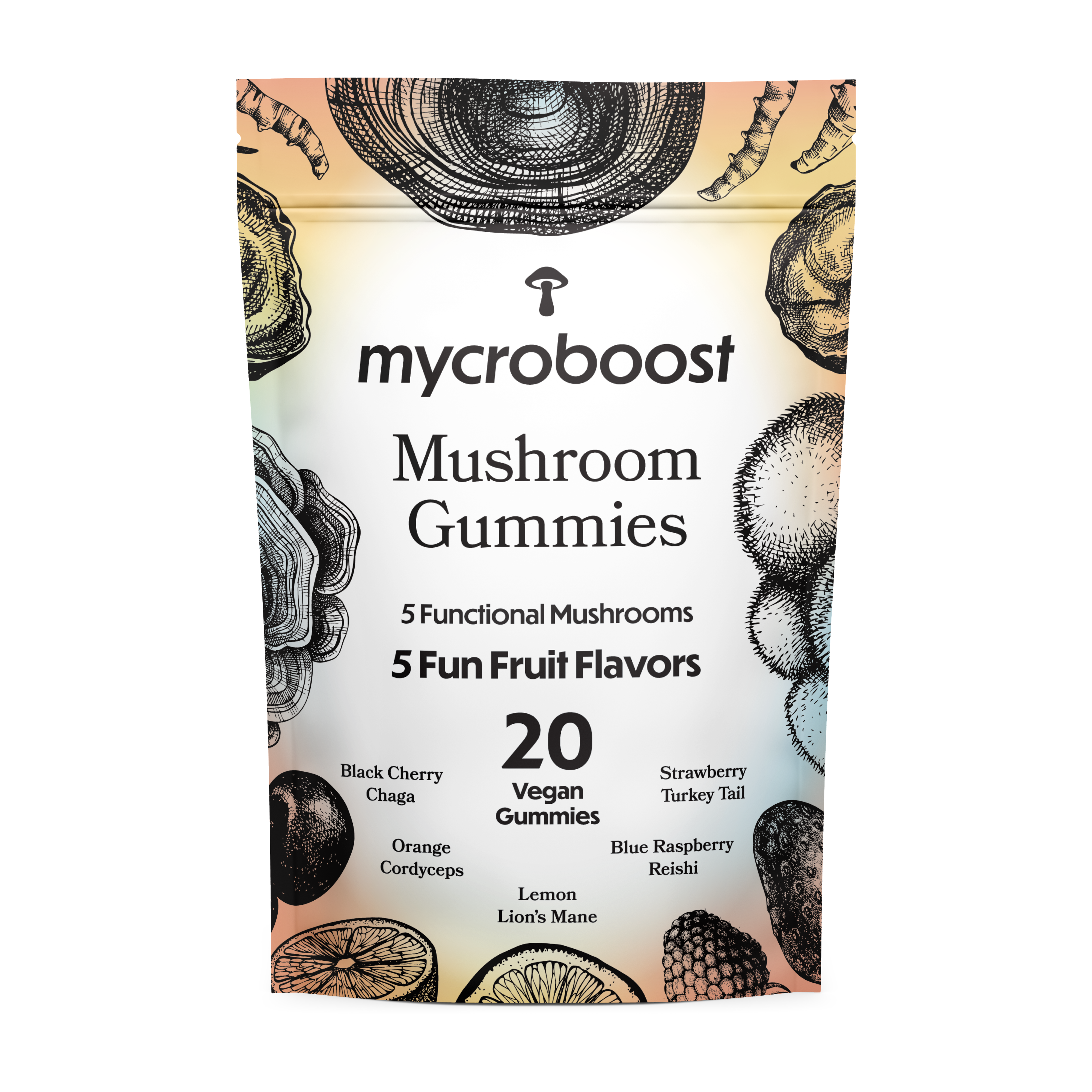
From ancient adaptogens to cutting-edge cognitive enhancers, functional mushrooms like Lion’s Mane, Reishi, Cordyceps, Chaga, and Turkey Tail are becoming household names. But what specific trajectories will define their growth in the coming years? What innovative mushroom products will capture our attention, and how will the future of functional fungi be shaped by evolving consumer expectations and scientific breakthroughs?
Let’s dive into the top 5 functional mushroom trends set to dominate the wellness space by 2026, offering a glimpse into the best mushrooms for 2026 and the exciting innovations awaiting us.
1. Hyper-Personalized Functional Fungi Formulations
The era of one-size-fits-all wellness is rapidly fading, and functional mushrooms are at the forefront of this personalization revolution. By 2026, we’ll see a significant pivot from generic mushroom blends to highly customized formulations tailored to individual needs, genetics, and lifestyle factors. This trend is driven by advances in diagnostic technology and a deeper understanding of individual biochemistry.
The Shift from Generic Blends to Tailored Solutions
Currently, many mushroom supplements offer broad-spectrum benefits or target common concerns like immunity or energy. However, the future points towards precise formulations. Imagine a blend of Lion’s Mane calibrated for your specific cognitive support needs, or a stress-reducing Reishi dose determined by your unique physiological responses. This level of granularity will redefine how we approach mushroom wellness.
Advanced Diagnostics Paving the Way
Key to this personalization will be accessible and affordable diagnostic tools. DNA testing, microbiome analysis, and even wearable tech measuring biomarkers like sleep patterns, stress levels (via heart rate variability), and metabolic responses will provide the data necessary to create truly individualized mushroom protocols. Consumers will have a clearer picture of their specific deficiencies or areas needing support, enabling more targeted choices.
The Role of AI and Data Analytics
Artificial intelligence (AI) and sophisticated data analytics will play a crucial role in processing this vast amount of individual health data. AI algorithms will be able to recommend specific mushroom species, extraction methods (e.g., hot water, dual extract), and dosages based on a user’s profile, health goals, existing health conditions, and even potential drug interactions. This will lead to personalized subscription services offering bespoke mushroom blends, delivered directly to consumers. Expect to see custom gummy subscriptions, powder blends based on health goals or even DNA, and app-driven recommendations becoming commonplace. The focus will be on maximizing the efficacy of mushroom supplements by aligning them perfectly with individual physiological requirements.
2. The Rise of Neuro-Nootropic Mushroom Synergies
While Lion’s Mane has already carved out a significant niche in cognitive support, 2026 will witness an explosion in sophisticated neuro-nootropic mushroom synergies. This trend moves beyond simply “boosting brainpower” to address specific facets of cognitive function, mood regulation, and mental resilience, often combining fungi with other well-researched nootropic ingredients.
Beyond Basic Brain Boosts
The demand for enhanced focus, memory retention, mental clarity, and improved mood is growing across all demographics, from students and busy professionals to aging populations concerned with cognitive decline. Functional mushrooms offer a natural avenue for achieving these benefits. However, the market will mature to offer more nuanced solutions. For instance, instead of a general “brain blend,” we’ll see products specifically designed for “sustained focus during intense work periods,” “enhanced memory recall for learning,” or “mood stabilization against daily stressors.”
Specific Fungi for Cognitive Enhancement
While Lion’s Mane (Hericium erinaceus) will continue to lead for nerve growth factor (NGF) support and neurogenesis, other mushrooms will gain prominence for their specific neuro-modulating properties. Cordyceps, known for energy and oxygen utilization, will be increasingly formulated for mental endurance and combating brain fog. Reishi, with its calming adaptogenic properties, will be integrated into nootropic stacks aimed at reducing anxiety and improving sleep quality, which are crucial for optimal cognitive function. Even less common species may emerge as research uncovers their neuroprotective potential.
Synergy with Traditional Nootropics
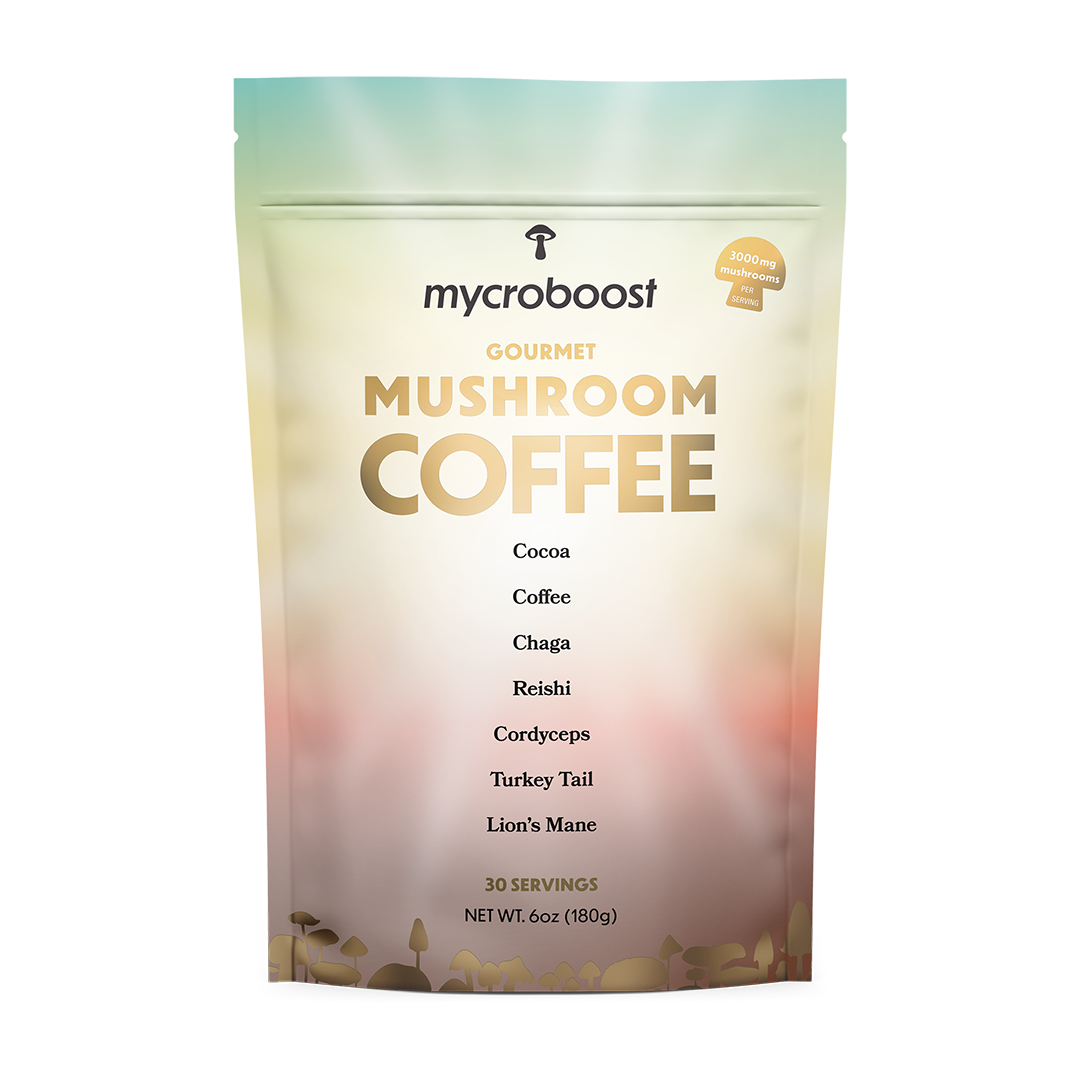
The real innovation will come from combining these functional fungi with established nootropics and adaptogens. Imagine a product featuring Lion’s Mane for neurogenesis, combined with Bacopa Monnieri for memory enhancement, L-Theanine for calm focus, and Rhodiola Rosea for stress resilience. These synergistic formulations will offer comprehensive brain support, targeting multiple pathways simultaneously. Examples will include mushroom-infused coffees or teas with added nootropics, targeted formulas for gamers or students seeking sustained mental performance, and supplements designed to support recovery from mental fatigue. This trend highlights the “future of functional fungi” as a cornerstone of advanced cognitive wellness.
3. Unprecedented Focus on Sustainability and Traceability
As the functional mushroom market expands, so does consumer awareness and demand for ethical sourcing and environmental responsibility. By 2026, sustainability and traceability will no longer be niche marketing points but fundamental requirements for reputable brands in the mushroom supplement industry. This trend encompasses everything from cultivation practices to packaging.
From Farm to Fungi: The Demand for Transparency
Consumers want to know where their mushrooms come from, how they are grown, and who benefits from their production. Brands will need to provide clear, verifiable information about their supply chains, from the initial spore to the final product. This includes details about the origin of raw materials, certifications for organic or wild-harvested status, and fair labor practices. Transparency will be paramount, with QR codes on packaging linking to detailed batch reports, third-party lab testing results, and even videos of cultivation facilities becoming standard.
Innovative Cultivation Methods
The pressure to meet growing demand sustainably will drive innovation in cultivation. Expect to see increased adoption of vertical farming and controlled environment agriculture (CEA) for certain species, minimizing land use and water consumption. Mycelium-based cultivation on organic substrates will become more refined and widely accepted, offering a consistent and potent product while reducing the ecological footprint associated with wild harvesting or traditional log cultivation. Research into regenerative agriculture practices for mushroom farming will also gain traction, focusing on soil health and biodiversity. These innovative mushroom products will carry clear labels detailing their cultivation methods.
Eco-Conscious Packaging and Practices
Beyond the mushrooms themselves, the entire product lifecycle will come under scrutiny. Sustainable packaging solutions will be a major focus, moving away from single-use plastics towards biodegradable materials, compostable pouches, and refillable glass containers. Companies will also be expected to demonstrate commitments to reducing carbon footprints throughout their operations, from energy consumption in processing facilities to transportation logistics. Brands that highlight low-carbon footprint practices, use mycelium-derived packaging materials, and invest in ethical sourcing will gain a significant competitive advantage, defining the “mushroom wellness trends” of the future.
4. Functional Fungi’s Mainstream Culinary Invasion
While mushroom coffees and smoothie boosters have paved the way, 2026 will see functional fungi integrate far more deeply into mainstream food and beverage categories, moving beyond “health food” aisles into everyday kitchens and grocery carts. The goal is to make mushroom benefits accessible and enjoyable without requiring a conscious “supplementation” effort.
Beyond the Smoothie: Everyday Food & Beverage Integration
The market is shifting from solely powdered extracts to incorporating whole mushroom extracts and mycelial biomass into a vast array of consumer products. This isn’t just about adding a pinch of Reishi to a protein shake; it’s about re-imagining staples with fungal power. Imagine pasta infused with maitake for its beta-glucans, granola bars fortified with chaga for antioxidants, or even savory snacks that leverage the umami profile of shiitake alongside its immune-modulating compounds.
Flavor and Functionality in Harmony
A crucial aspect of this trend will be the emphasis on taste and culinary appeal. Formulators are increasingly mastering techniques to mask or complement the earthy flavors of mushrooms, ensuring that functional benefits don’t come at the expense of enjoyment. Extract technologies will become more refined, yielding potent compounds that integrate seamlessly into various food matrices. The focus will be on creating products that consumers genuinely crave, not just tolerate for their health benefits.
Expanding Beyond Coffee & Tea
While mushroom-infused beverages like coffee and tea will continue to grow, the expansion into other categories will be remarkable. Look for:
- Ready-to-drink functional beverages: Craft sodas, sparkling waters, and juices infused with adaptogenic mushrooms.
- Bakery and snack items: Cookies, crackers, and protein bars featuring specific mushroom benefits.
- Meal components: Sauces, spice blends, and broths enriched with functional fungi.
- Plant-based alternatives: Leveraging mycelium’s texture and nutritional profile in meat alternatives or dairy-free products.
- Children’s snacks: Mild, palatable formulations designed to support immunity and focus in younger populations.
This widespread integration will normalize functional mushrooms, making them an unquestioned part of a healthy diet, truly showcasing the “future of functional fungi” in our daily lives.
5. Clinical Validation and Medical Integration
For functional mushrooms to reach their full potential, they must move beyond anecdotal evidence and enter the realm of rigorous scientific scrutiny and acceptance within conventional healthcare. By 2026, we anticipate a significant increase in clinical validation, leading to greater acceptance by medical professionals and potentially even their integration into therapeutic protocols.
The Demand for Evidence-Based Wellness
Consumers, healthcare providers, and regulatory bodies are increasingly demanding robust scientific evidence to support health claims. This pressure will drive significant investment in research and development within the functional mushroom industry. Companies will need to conduct more human clinical trials to demonstrate the efficacy and safety of their products for specific health outcomes. This focus on “mushroom supplement trends 2026” will shift towards those backed by published studies.
Pharmaceutical Interest and Clinical Trials
The pharmaceutical industry, always on the lookout for novel compounds, will likely increase its interest in functional fungi. Mushrooms are rich in bioactive compounds with potential anti-inflammatory, immunomodulatory, anti-cancer, and neuroprotective properties. We can expect to see more academic and industry-sponsored clinical trials investigating specific mushroom extracts or isolated compounds for their therapeutic potential in managing chronic diseases, supporting immune function during cancer therapy, or aiding in neurological health. This could lead to a bridging of the gap between dietary supplements and approved medical interventions.
Healthcare Provider Acceptance and Recommendation
As the body of scientific evidence grows, so too will the confidence of doctors, dietitians, and other healthcare professionals in recommending functional mushrooms. Rather than being seen as alternative remedies, specific mushroom supplements will be integrated into holistic and integrative medicine practices, perhaps even appearing on formularies or being discussed in medical education. Educational initiatives aimed at healthcare providers will become more common, helping them understand the appropriate uses, dosages, and potential interactions of these powerful natural compounds. This trend is crucial for cementing the “best mushrooms for 2026” not just in the wellness sphere, but in the broader health landscape.
Conclusion: The Fungal Frontier is Just Beginning
The functional mushroom industry is on the cusp of an exciting new era. By 2026, we can expect a landscape defined by highly personalized solutions, advanced cognitive support, unparalleled commitments to sustainability, deep integration into everyday food and drink, and a strong foundation of scientific validation.
These “mushroom wellness trends” reflect a growing consumer demand for efficacious, transparent, and ethically produced natural health solutions. As research continues to uncover the vast potential of these ancient superfoods, the “future of functional fungi” promises innovation, accessibility, and a deeper understanding of how these remarkable organisms can support our health and the planet’s well-being. The fungal frontier is not just expanding; it’s evolving into an indispensable pillar of modern wellness.